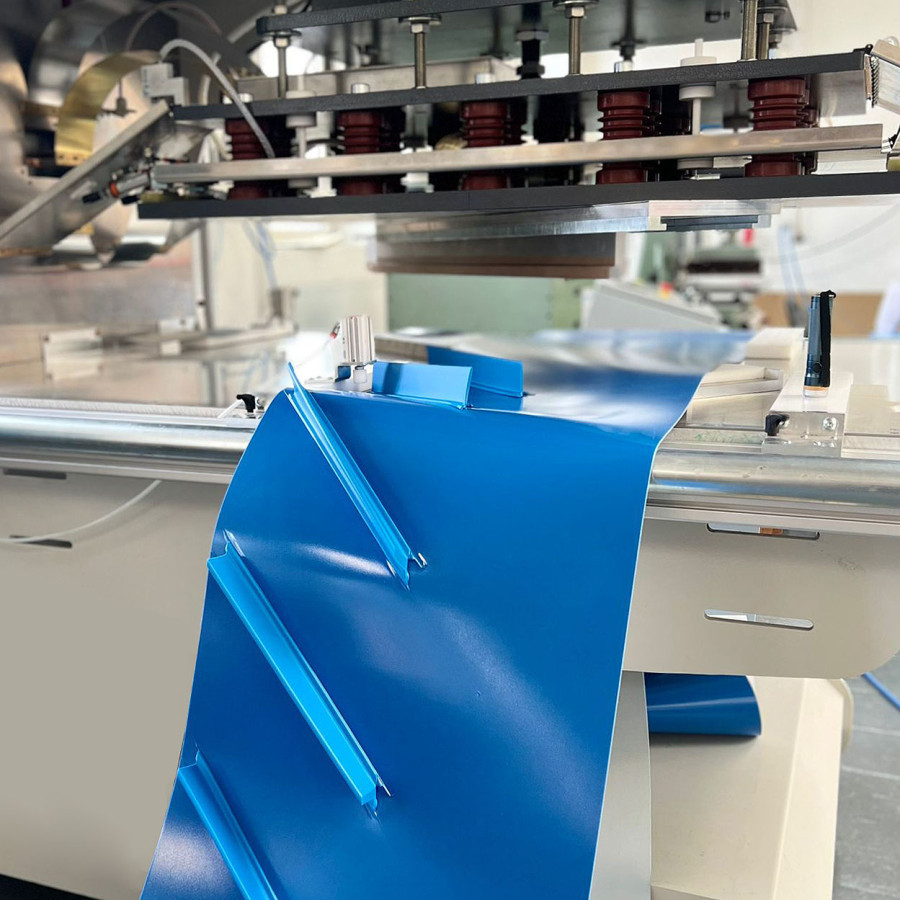
Conveyor Belts of the Future: Technology and Sustainability
In a world where efficiency and productivity are key words, conveyor belts stand as the silent heroes that drive our modern industries forward. From the food sector to the automotive and electronics industries, these mechanical marvels are essential to keeping the pulleys turning. In this colorful and lively article, we will take you on a journey through conveyor belt history and technology, its application in various industries and a look into the future, where sustainability, environmentally friendly materials and the integration of artificial intelligence and IoT (Internet of Things) will play a central role.
The fascinating history and technology of the conveyor belt
From their humble beginnings in the late 19th century, conveyor belts have evolved at an impressive pace. Like chameleons, they have adapted to technological advances and industrial demand, resulting in a multitude of variants, including roller conveyors, modular plastic conveyors and steel belts. There is a conveyor belt for every taste and need!
The conveyor belt's dance through different industries
Food industry: Tasty efficiency
In the food industry, conveyor belts perform nothing short of spectacularly. They work tirelessly to transport raw materials, semi-finished products and finished products through the labyrinth of production. Hygiene and safety are of course top of the agenda, so these culinary conveyor belts are easy to clean and maintain.
Packaging industry: The packaging singing
With an almost poetic precision, conveyor belts help the packaging industry move products from one production area to another. They act as choreographers, directing the sorting, packing and labeling of products, creating a harmonious and automated process.
Warehouse and distribution centers: The conductor of logistics
Conveyor belts are the undisputed conductor of the symphony of warehouses and distribution centers, ensuring that goods and packages arrive at their destination quickly and efficiently, ensuring that customer expectations are met.
Automotive industry: Helpers of the pulleys
In the high-speed world of the automotive industry, the role of conveyor belts is invaluable. They are faithful helpers in splice line production, transporting car parts and components through the production stages, ensuring efficient and fast production and keeping the pulleys of cars in constant motion.
Electronics Industry: Servants of the Current
At pu beating heart of the electronics industry, conveyor belts are the servants that help move components and finished products through the manufacturing process, maintaining a high production rate and ensuring that our beloved gadgets are produced and delivered on time.
The Future of Conveyors: Sustainability, Innovation and Intelligence
Green conveyor belts: Protectors of the planet
In a world where sustainability and environmental friendliness are essential, conveyor belts are at the forefront. New materials and production methods that reduce energy consumption and CO2 emissions make these mechanical wonders protectors of the planet.
Artificial Intelligence and IoT: Brain and Network
Conveyor belts are getting smart! The integration of artificial intelligence and IoT (Internet of Things) into conveyor belt technology enables autonomous control and monitoring of production processes. This will lead to even greater efficiency and flexibility in industries.
Adapting to a changing world
In a world of constant change, the conveyor belt's ability to adapt is crucial. New industries and technologies will continue to challenge the boundaries of the conveyor belt, and it will undoubtedly continue to evolve and remain an essential part of our modern lives.
The challenges and opportunities of the conveyor belt
Security concerns
Safety is an important factor in any industry, and conveyor belts are no exception. There is a risk that workers can become trapped or injured by the fast-moving belts. It is therefore important that measures are taken to ensure worker safety, such as installing emergency stops and safety grilles, as well as maintaining a high standard of workplace culture and training.
Maintenance and lifespan
The efficiency of conveyor belts depends on their proper function and maintenance. Regular maintenance and inspection are essential to ensure they continue to function optimally and minimize downtime. Investing in high-quality, durable materials can also increase the life of the conveyor belt and reduce costs in the long term.
Use of new materials and technologies
The development of new materials and technologies creates new opportunities to improve the performance and efficiency of conveyor belts. For example, the use of lightweight and durable materials such as Kevlar and carbon fiber can reduce energy consumption and wear, leading to lower operating costs and longer service life.
Tailor-made solutions
Industries are diverse and have varying requirements for conveyor belts. Tailored solutions that take into account the specific needs and conditions of each company will be increasingly pu after. This may include adapting the size, speed and functionality of the conveyor belt to meet the specific requirements of different industries.
Conclusion: The role of the conveyor belt in the 21st century
Conveyor belts have played a central role in industrial development and have contributed to our current standard of living and prosperity. As we move into the 21st century, their importance will only continue to grow as new technologies and sustainability initiatives are integrated into their design and function.
It is clear that conveyor belts are more than just mechanical aids; they are a key component of the global economy and a driver of innovation and development. By recognizing and addressing their challenges and opportunities, we can ensure that conveyor belts will remain an important part of our future and continue to improve our world.
Future prospects for conveyor belts
Integration of artificial intelligence and automation
Artificial intelligence (AI) and automation are two technologies that have the potential to transform the operation and efficiency of conveyor belts. AI can be used to optimize conveyor speed and load capacity, while automation can reduce the need for manual labor and minimize the risk of work-related accidents. These technologies can also help make conveyor belts more energy efficient, thereby reducing their environmental impact.
Sustainability and environmentally friendly solutions
Sustainability and environmental protection are key concerns in the 21st century. Conveyor belts can play an important role in achieving more sustainable production processes by implementing environmentally friendly materials and technologies. For example, recyclable and biodegradable materials can reduce waste and the environmental impact of conveyor belts. In addition, energy-efficient motors and power sources can help minimize energy consumption and CO2 emissions.
Flexible and modular conveyor systems
Conveyors of the future could become more flexible and modular, making them easier to adapt to different production lines and industries. Modular conveyor systems can be easily upgraded or modified to accommodate changes in production or to incorporate new technologies. This can give companies greater flexibility and make it easier to scale their production capacity.
Collaborative robots and conveyor belts
Collaborative robots, also known as cobots, are robots designed to work alongside humans in a shared workspace. These robots can be integrated into conveyor systems to automate certain work processes, such as packing and sorting, thereby increasing efficiency and reducing the workload for employees. Cobots can also improve worker safety by taking over dangerous or repetitive tasks.
Concluding remarks
Conveyor belts have been and will continue to be an integral part of modern industry and our daily lives. With the development of new technologies and an increased focus on sustainability, there are many opportunities to improve and innovate conveyor belts to make them more efficient, safe and environmentally friendly. By taking into account the challenges and opportunities of the future, conveyor belts can continue to play a central role in the global economy and support a sustainable future.
Education and training of the workforce
To ensure the smooth integration of new technologies and improvements in conveyor systems, it is important to educate and train the workforce. This will help employees understand and work with new technologies such as artificial intelligence, automation and collaborative robots. Education and training can also help increase worker safety and understanding of the environmental impacts of their work.
Collaboration between different industries
Collaboration between different industries and companies can help promote innovation and development within conveyor belt technologyBy working together, companies and researchers can share knowledge, experience and resources to develop new and more efficient solutions for conveyor belts. This can also help identify and solve common challenges, such as energy efficiency and sustainability.
Investment in research and development
To continue to improve conveyor technology and meet the challenges of the future, it is important to invest in research and development. This can help promote new technologies, materials and methods that can make conveyors more efficient, safe and sustainable. Investing in research and development can also create new job opportunities and strengthen global competitiveness.
Conclusion
Conveyor belts have played a crucial role in industrial development and continue to play a significant role in a wide range of industries. With challenges such as climate change, population growth and technological advancement, conveyor belts face a number of opportunities and challenges in the 21st century.
By integrating new technologies such as artificial intelligence, automation and collaborative robots, as well as focusing on sustainability and environmental protection, conveyor belts can be developed and improved to meet changing needs and requirements. Investment in research and development, workforce training and collaboration between industries will be crucial factors in ensuring that conveyor belts continue to play a central role in the global economy and support a sustainable future.