Contact us
tandrem

Professional timing belt wholesaler

We are specialists in transmission solutions with a specialisation in timing belts. We represent a unique selection of the world's leading manufacturers in the manufacture of quality timing belts. We offer timing belts from the largest and most well-known brands on the market, here you will find brands such as: Megadyne, Optibelt, Gates , Contitech, PIX, NSW, & Breco. We have local stock of standard products, as well as day-to-day delivery from selected factories.

So we can ensure that your factory never stands still. We also offer good service and extensive technical product knowledge. With us you always get qualified advice and help calculating your next timing belt tension. Always get the right solution the first time with a timing belt from FEC Consulting. A timing belt has a very high efficiency of up to 99% regardless of the load, as well as a very low noise level.

At FEC Consulting, we can always customize your timing belts to achieve the exact specifications and properties you want. We can also help you with timing belt sizing and calculation, so you are sure to receive the right timing belts the first time.
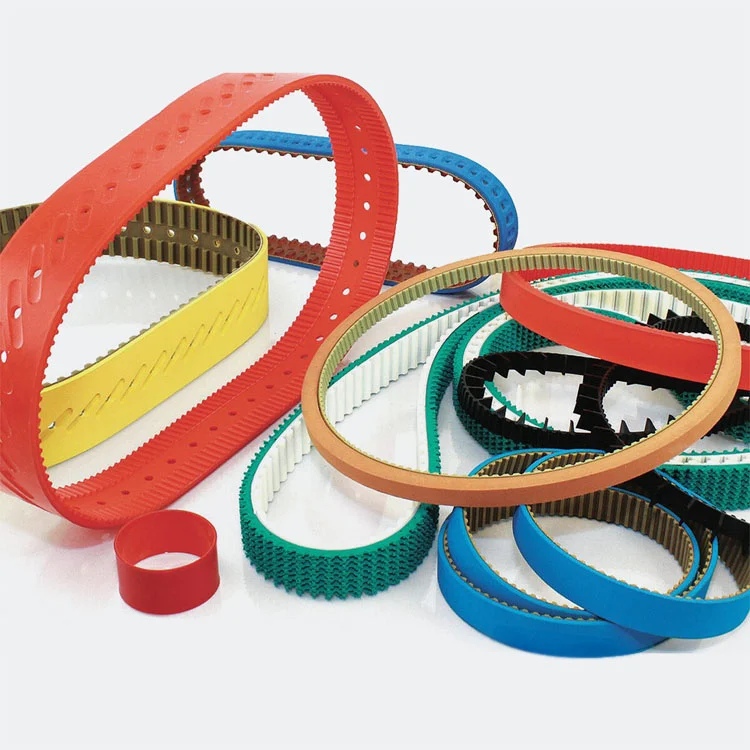
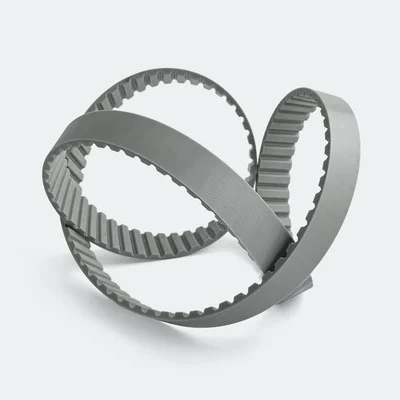
A timing belt can be made of both PU and Rubber. In this article you can get help finding the right timing belt that fits your needs and machines.

We are specialists in transmission solutions with a specialisation in timing belts. We represent a unique selection of the world's leading manufacturers in the manufacture of quality timing belts. We offer timing belts from the largest and most well-known brands on the market, here you will find brands such as: Megadyne, Optibelt, Gates , Contitech, PIX, NSW, & Breco. We have local stock of standard products, as well as day-to-day delivery from selected factories. So we can ensure that your factory never stands still. We also offer good service, as well as extensive technical product knowledge. With us you always get qualified advice, as well as help in calculating your next timing belt tension.

How does a timing belt work in practice?

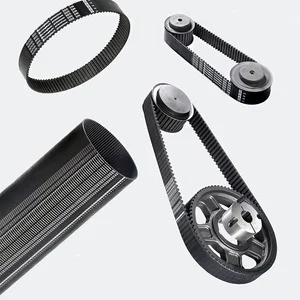
Unlike a regular drive belt, such as a flat belt, V-belt and ribbed belt, a timing belt is equipped with "teeth" on the underside, which run in specially developed "timing belt pulleys". The teeth ensure that the timing belt cannot slip. Therefore, a timing belt will always be able to keep the two connected shafts in sync. In other words, a timing belt always runs synchronously, which ensures an efficient power transmission of up to 99%. As long as the tension is correct, it is impossible for a timing belt to "jump" teeth in the timing belt pulley, which ensures reliable power transmission.
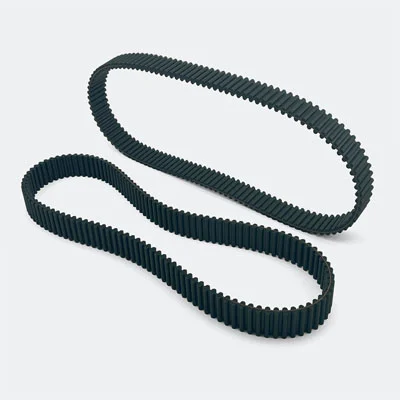
HTD tandrem i gummi

How do you identify a timing belt?

There are several ways to identify a timing belt before replacing it with a new one. Many times the part number and manufacturer's name are on the back of a timing belt, and in most cases will still be legible. Although this is the ideal situation, it happens when driving with a belt tensioner that the part number wears off, or in special cases where the customer does not want the factory name on the belt, for example if it is manufactured specifically for the automotive and motorcycle industry.


If your timing belt is not marked sufficiently, you can do the following to find out what type of tooth pitch your timing belt has, as well as to find the length of the existing timing belt. Also try our belt length calculator for timing belts
 
  1. Is it a Rubber or PU timing belt I have? (Black or white, gray, green, blue)
  2. Find the tooth pitch on your timing belt by measuring the center distance between two teeth?
  3. Then check whether your timing belt has trapezoidal or round teeth?
  4. Measure the width of your timing belt in mm.?
  5. Finally, you need to count the number of teeth on your timing belt?
Beregner til tandrem

Calculate the length of your timing belt (mm)


beregner til tandrem

How to identify a rubber timing belt


If you use a rubber timing belt, it is important what shape the tooth has, is it round, is it a timing belt with mm. pitch and is available with the following pitch diameter in rubber.

  • Profile: RPP & HTD 3M = 3 MM

  • Profile: RPP & HTD 5M = 5 MM

  • Profile: RPP & HTD 8M = 8 MM

  • Profile: RPP & HTD 14M = 14 MM

If your rubber timing belt has trapezoidal teeth, i.e. slightly flat on top, it is almost certainly a timing belt with inch pitches. These timing belts are called.

  • Profile: MXL = 2.03 MM

  • Profile: XL = 5.08 MM

  • Profile: L = 9.52 MM

  • Profile: H = 12.70 MM

  • Profile: XH = 22.22 MM

After you have found the correct pitch on your timing belt, i.e. the distance between two teeth, and have found out whether it is a timing belt with metric or inch pitch, you simply multiply the number of teeth by the pitch diameter of your timing belt, thereby calculating the total length of your timing belt. See our large selection of rubber timing belts

Our services and delivery times are always good

As a supplier in the market for timing belts and accessories, we offer a wide range of products and solutions at competitive prices. As one of the only ones on the market, FEC Consulting also offers manufacturing of metal products and machining of your timing belt pulleys in our own machine shop according to your wishes and needs. If you have an inquiry regarding a special product, please contact us and ask for more information about price and delivery time.

tandremme

Introduction to timing belts - What is a timing belt and how does it work?

Timing belts are important in many mechanical systems where the transmission of power and motion is essential. A timing belt is a belt with teeth on its inner surface. When these teeth come into contact with timing belt pulleys mounted on shafts, they transmit power and motion.

Timing belts can be made from a variety of materials, including rubber, polyurethane ( PU ) and even vacuum. Timing belts are available in a variety of v-guides and coating types, depending on the specific application.

In this article, we look at how timing belts work, when they need to be replaced, and the pros and cons of each option. We will also look at some of the leading timing belt manufacturers, such as Optibelt, Conti, and Gates , and their custom-made timing belts for various industries. Let's explore timing belts and what they can do for your mechanical system and for you.

When should the timing belt be replaced? - Signs of a worn timing belt and when you should consider having it replaced.

Depending on the make and model of your car, there are different warning signs of a worn timing belt, but the most common are ctiming bars or wear marks on the belt, a slack or loose belt, or a loud, grinding or rattling noise from the engine. Some car manufacturers also recommend a fixed interval for replacing the timing belt, typically between 55,000 and 125,000 kilometers, although this can change depending on driving conditions and the age of the car.

Before the timing belt is too worn, it is important to consider replacing it, as a broken timing belt can seriously damage the engine and be very expensive to repair. To prevent long-term problems and save money, some car manufacturers recommend replacing the timing belt along with other engine and transmission parts such as the water pu and timing belt pulleys .

It is highly recommended to have your car's timing belt checked by a qualified mechanic if you notice any of the above symptoms of a worn timing belt, or if it has been a while since the timing belt was last replaced. They can inspect the timing belt and advise on whether it needs to be replaced, as well as whether other engine and transmission parts also need to be replaced.

Timing Belt Replacement Costs - What are the typical costs of having a timing belt replaced and why can prices vary?

The cost of replacing a timing belt can vary depending on a number of factors. Of course, the type of vehicle you drive is the most obvious factor. For example, it may be cheaper to replace the timing belt on an older vehicle than on a newer vehicle. Prices can also vary depending on where you live and where the work is being done. Here are some typical costs and things to think about.

Depending on the model and year of the car, replacing the timing belt can take anything from a few times to a whole day. Timing belts are relatively inexpensive, but some of the more specialized timing belts can cost more in replacement parts. You may also need to pay for additional components such as timing belt pulleys, water pu , and tensioners. Hourly wages for mechanics: Hourly wages for mechanics vary depending on where you live and where the work is performed. Hourly wages can generally range between DKK 550 and DKK 1,100.

Additional work: If your car has other problems, the mechanic may find it more practical to perform more repar in addition to replacing the timing belt. Costs may change as a result. In general, the cost of replacing a timing belt can range from a few thousand to several thousand dollars, depending on the factors listed above. If you have the necessary mechanical knowledge and tools, you may want to consider doing the job yourself to save money. However, you should always leave the job to a qualified mechanic if you are unsure of your skills.

Timing belts and their applications - Overview of the different types of timing belts and their applications, including PU timing belt, open timing belt, timing belt with v-guide, coated timing belt, timing belt with carrier and vacuum timing belt.

Timing belts are used to transmit motion and power from one source to another and are an important component in many machines and mechanisms. Timing belts come in a variety of designs, each with unique benefits and applications.

PU timing belt is a type of timing belt that has become increasingly pu recently. This is because it has a higher tensile strength than other types of timing belts and can transmit a greater torque. Industries that require high performance standards, such as the paper and printing industries, often use PU timing belts.

Open timing belts is another type that is suitable for applications where quick and easy access to the timing belt is needed. Open timing belts are easy to install and adjust and are often used in industries such as agriculture, forestry and construction.

Timing belts with a v-guide are best for applications that require very precise positioning because the v-guide holds the timing belt in place. These timing belts are often used in CNC machines, in the medical sector and in robots.

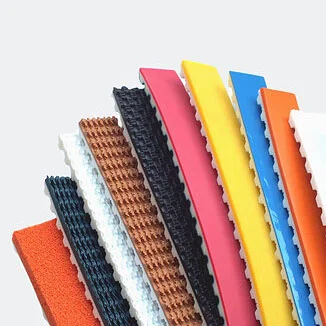
Coated timing belts are designed for applications that require more friction than a regular timing belt. The coated surface provides better grip and improved power transmission, which is essential in sectors such as printing, packaging and textile industries.

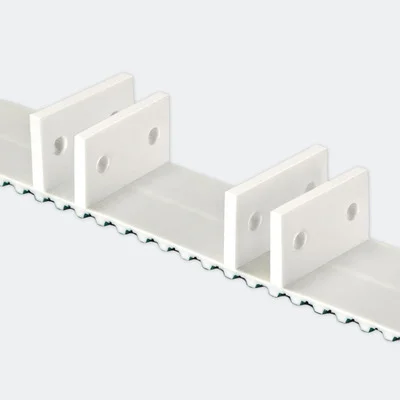
Timing belts with carriers are often used in applications that require precise positioning and transportation of parts. These timing belts have small "teeth" that run their entire length, allowing objects to be transported at the same speed as the timing belt.

Last but not least, vacuum timing belts are made for applications where it is necessary to secure parts during transport. Timing belts with vacuum-supported construction hold components in place and prevent them from moving during transport. These timing belts are often used in sectors such as food production, pharmaceuticals and packaging.

Well-known brands in timing belts - Overview of some of the most well-known brands in timing belts, such as Megadyne, Optibelt, Elatech, Ammega, Conti, Breco, Gates , Ammeraal and PIX

Timing belts are an important part of many mechanical systems and are responsible for transferring torque and power between shafts. Timing belts are manufactured by a number of different manufacturers, and some of the most well-known brands in this industry are Megadyne, Optibelt, Elatech, Ammega, Conti, Breco, Gates , Ammeraal, and PIX.

Leading timing belt manufacturer Megadyne supplies a range of products to a wide range of industries including food processing and medical equipment. Timing belts with v-guide, open timing belts and PU timing belts are all available from them. Another leading manufacturer of timing belts is Optibelt, which offers a variety of products such as coated timing belts, timing belts with carriers and timing belts with pin joints. Their timing belts are often used in operations that require extreme accuracy and reliability. High-quality PU timing belts from Elatech are known for their ability to resist wear and corrosion. Their products are used in a wide range of applications, such as automated machinery and medical equipment. Ammega is another timing belt manufacturer that specializes in premium products and advanced solutions. They offer welded timing belts, PU timing belts that resist static electricity, and vacuum timing belts. The well-reputed timing belt manufacturers Conti, Gates and PIX also offer a range of products for different applications. Breco specializes in timing belts for the food industry and supplies a range of timing belts and other parts for the production and transport of food. Regardless of which brand you choose, it is important to choose a high-quality timing belt that meets your unique needs and specifications.

How long does a timing belt last? - General durability for different types of timing belts and factors that can affect lifespan.

Timing belts have a reputation for being reliable and durable in the long term, but various factors can affect their lifespan. Depending on how they are used, timing belts can last from 60,000 to 100,000 kilometers or more on average. Timing belt life can be affected by a number of variables, including timing belt quality, operating conditions, maintenance procedures, and operating temperatures. Timing belts used at high temperatures may have a shorter life, while higher quality timing belts typically have a longer life.

It is important to follow the manufacturer's recommendations for maintenance and replacement to extend the life of your timing belts. In general, timing belts should be tensioned every 5 to 6 years or after a certain number of kilometers, depending on use and manufacturer recommendations. It is essential to monitor the condition of your timing belts and replace them if there are signs of wear or potential engine damage.

Tandrem vs. kæde

What happens if you don't replace the timing belt? - Risks of not replacing a worn timing belt.

The car or the machine it drives can have serious problems if a worn timing belt is not replaced in time. An engine or other components to which the timing belt is connected can suffer serious damage if the timing belt breaks. This is because timing belts play a crucial role in ensuring that the parts of the machine or engine work properly and on time. A worn timing belt can start to lose teeth, become slippery or ctiming bar. This can result in the timing belt skipping a tooth or jumping off the sprocket. The machine or engine will stop working if this happens. It can also cause serious damage to engine or machine parts, which can be very expensive to repair or replace depending on the car or machine. Therefore, it is crucial to keep an eye on the timing belt and replace it as soon as there are telltale signs of wear, as recommended by the manufacturer. Doing so can avoid unnecessary problems and guarantee the long-term operation of the machine or car.

Signs of a worn timing belt - What does a worn timing belt look like and what does it sound like?

Visible ctiming bars, worn or missing teeth, or a timing belt that is generally loose are all signs that the timing belt is worn. Another sign that the timing belt needs to be replaced is if it starts to squeak or squeal. 
Checking the timing belt tension is another way to assess its condition. Too much slack in the timing belt can cause vibration, noise and ultimately damage to the engine or other parts. To avoid any potential damage, it is important to watch for signs of a worn timing belt and have it replaced as soon as possible to avoid damage. It is recommended to replace the timing belt in accordance with the manufacturer's instructions and to have the timing belt checked regularly by a mechanic.

Timing belt warranty and maintenance - Review of how to maintain a timing belt and what to expect from the warranty.

Timing belt maintenance and warranty

Many machines and engines contain a timing belt that needs to be maintained and replaced regularly to avoid problems. But what should you expect from a timing belt warranty and how should you best care for it?

Timing belt warranty

Most timing belt manufacturers offer some form of warranty on their products. Manufacturer warranties can vary, but typically cover manufacturing and material defects. To fully understand what is covered, it is essential to read the manufacturer's warranty terms. It is also important to remember that the warranty only covers manufacturing and material defects in toothbrushes. The warranty does not cover replacement if the timing belt has been damaged due to misuse or neglect.

Timing belt maintenance

To ensure optimal performance, a timing belt requires maintenance. Here are more or less recommendations on how to subsequently look after a timing belt:

  1. Timing Belt Inspection: A routine inspection of the timing belt is necessary to check for wear or damage. During the inspection, the timing belt should undergo both a visual test and an audible test.

  2. Replacement: The timing belt must be replaced in accordance with the manufacturer's instructions or when there are signs of wear or damage.

  3. Cleaning: Keep the timing belt clean and free of dust and dirt. Use a material or brush to remove soil and dust.

  4. Storage: Store the timing belt away from direct sunlight and moisture.

  5. Use the timing belt as specified by the manufacturer and do not overload or abuse it.

You can extend the life of your timing belt and avoid unexpected replacement costs by following these maintenance recommendations.


Conclusion and recommendations:

Timing belts are an important part of many vehicles and machines, and it is important to understand how they work and maintain them. Here are some important pu to remember:

  • To reduce the risk of causing damage to the engine or machine, the timing belt must be replaced in accordance with the manufacturer's instructions.
  • Ctiming bars, worn teeth and looseness are signs that a timing belt needs to be replaced immediately to avoid damage.
  • Regular inspection, proper tension, assessment of belt condition, and cleaning are all part of timing belt maintenance.
  • PU timing belts, open timing belts, timing belts with v-guides, coated timing belts, timing belts with carriers and vacuum timing belts are a few examples of timing belt types. Each type has its own advantages and disadvantages, so it should be selected based on the needs of the machine.
  • Megadyne, Optibelt, Elatech, Ammega, Conti, Breco, Gates , Ammeraal and PIX are some of the well-known manufacturers of timing belts.
  • It is crucial to replace the timing belt when necessary because a worn timing belt can cause serious damage to the engine or machine.
  • Avoid overloading, avoid sudden acceleration or braking, and follow the manufacturer's maintenance schedule to extend the life of the timing belts.
  • Consider hiring a qualified mechanic to replace the timing belt if you don't feel comfortable doing it yourself.


Always follow the manufacturer's instructions and maintain your timing belt regularly to avoid damage and extend its life.

Recently Viewed Products